Selling strategy
Home Staging vs. Virtual Staging: Pros, Cons and When to Use Each

Virtual staging is cheaper and faster for online photos, but buyers walk into an empty house, and heavily edited photos can feel misleading. Physical staging costs more but works both online and in person, which is where offers are decided.
What virtual staging does well
- It's inexpensive and quick, with images often back in a day.
- It works for very large homes where physical staging of every room isn't practical.
- It can show buyers alternative uses for a room, like a nursery or office.
Where it falls short
The showing. Buyers fall in love online, then walk into empty rooms that feel smaller and colder than the photos. That gap can hurt more than it helps.
Virtually staged photos also need to be clearly labeled under MLS rules. Buyers are getting good at spotting them, and many discount them.
What physical staging adds
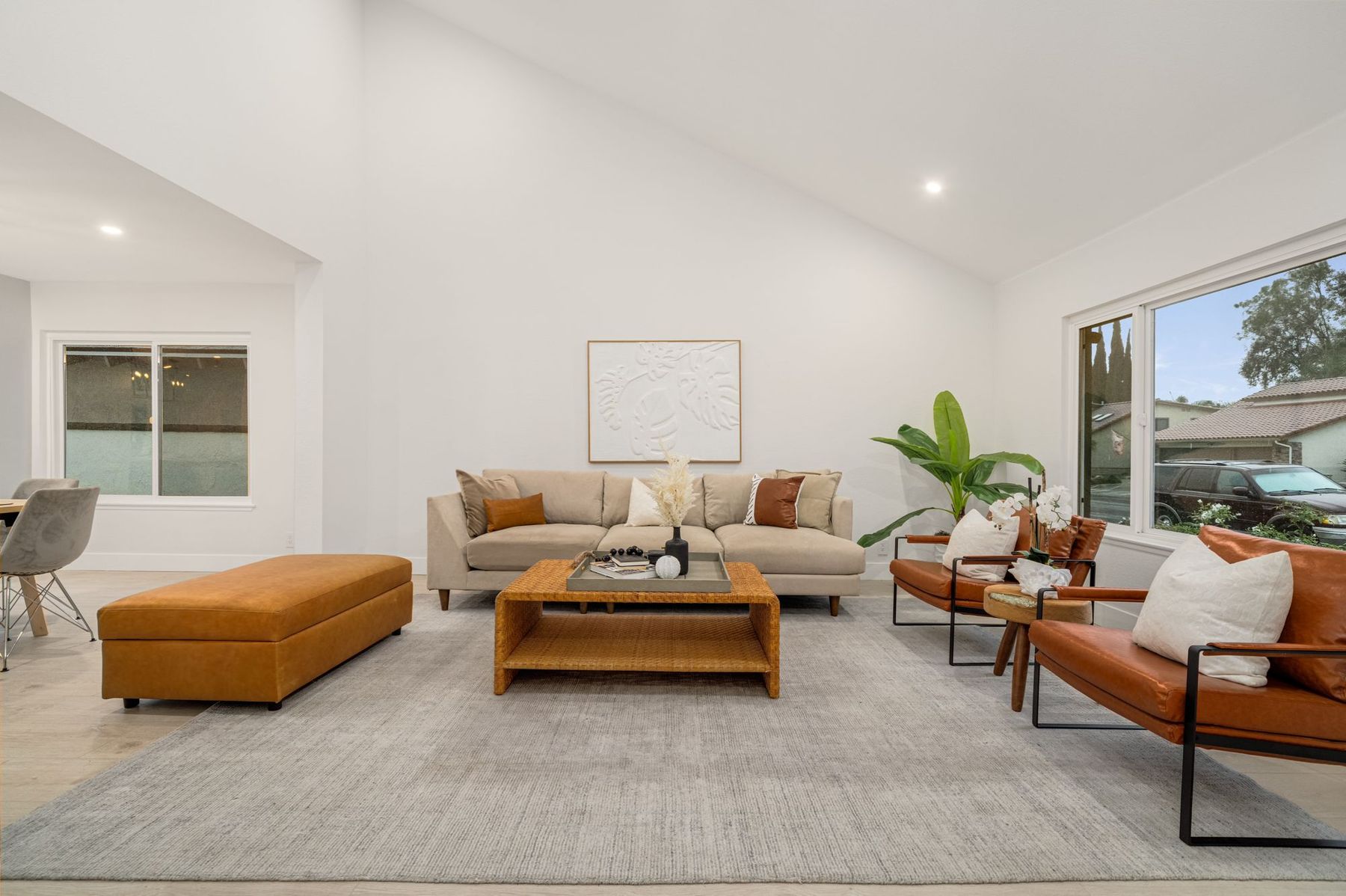
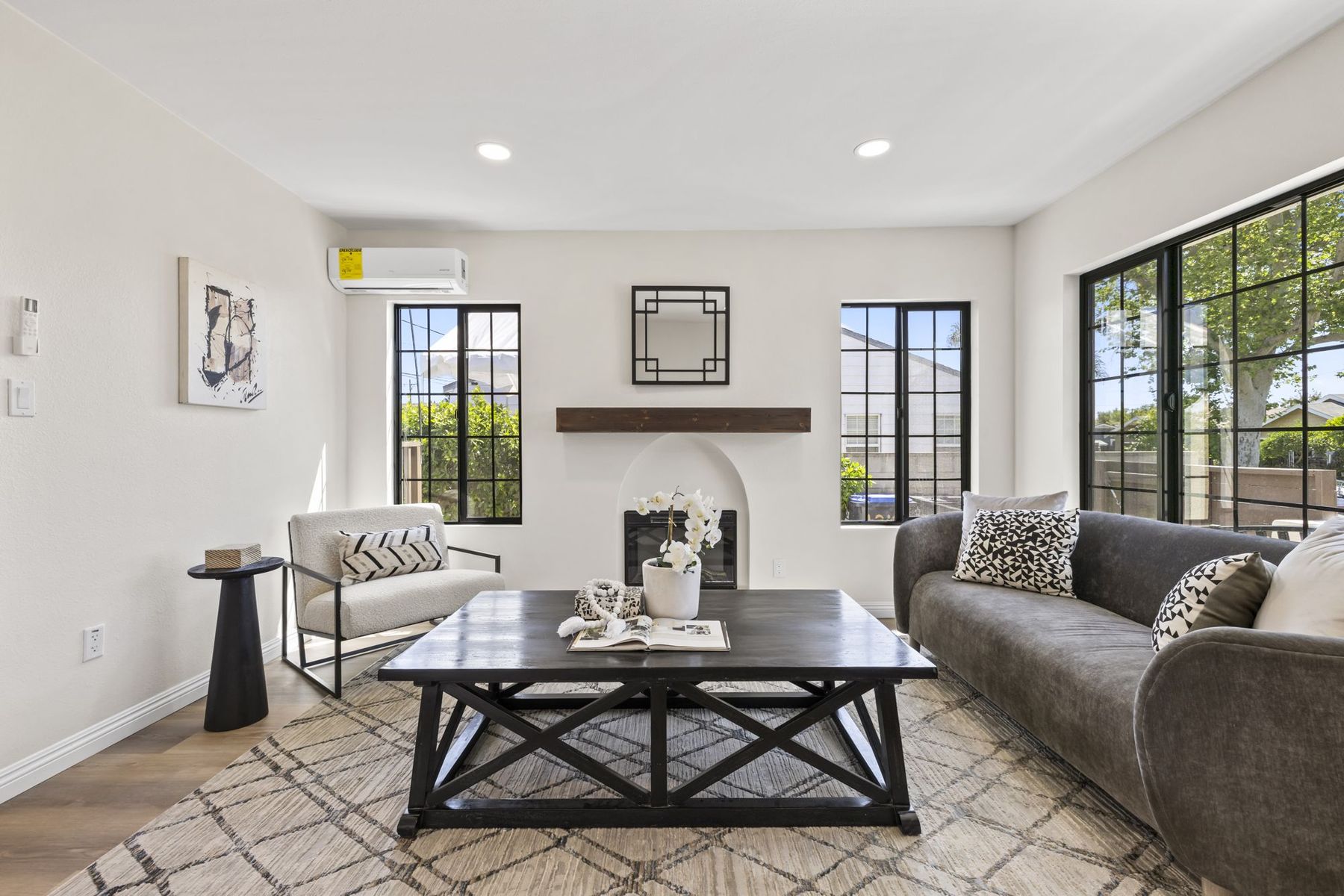
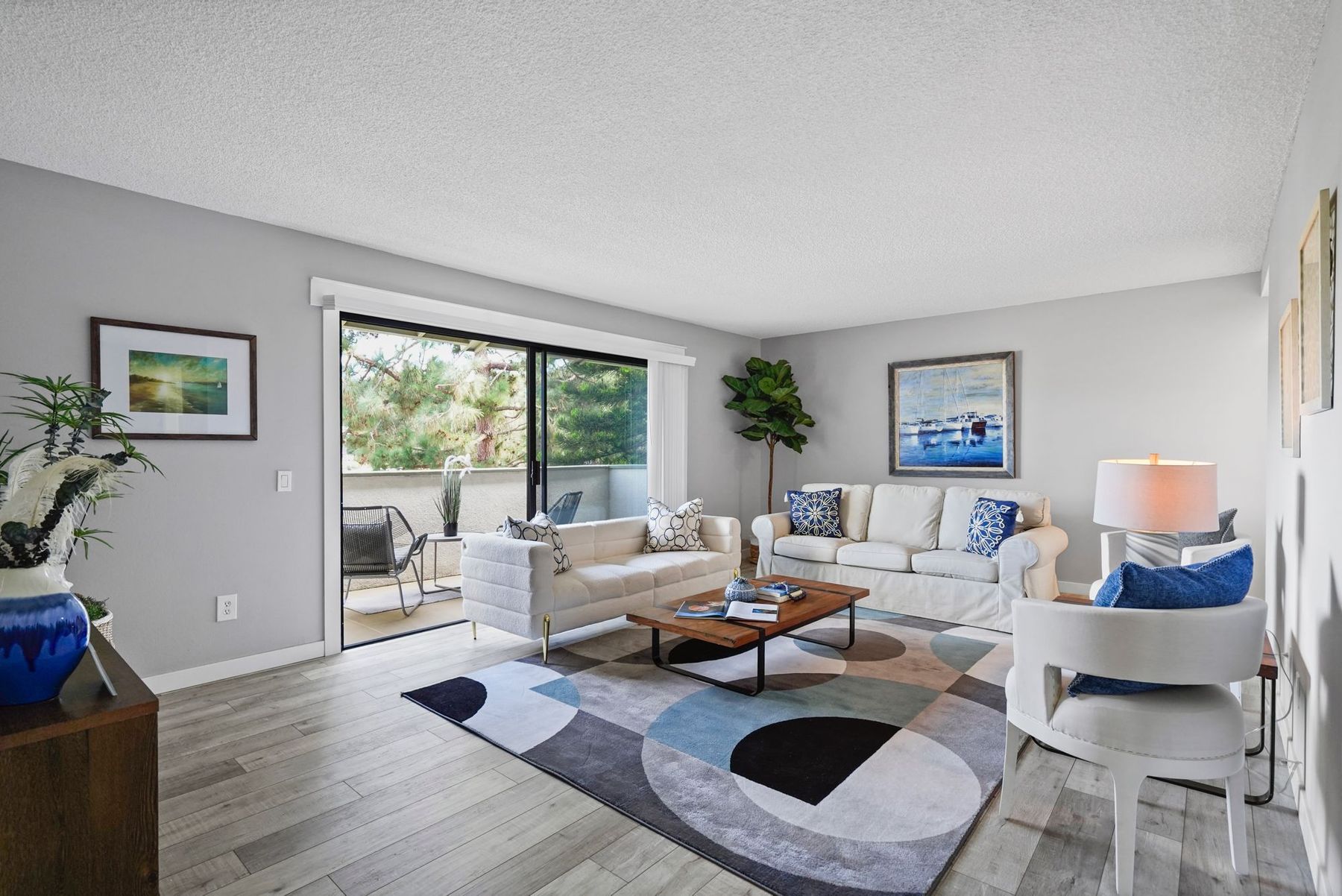
Physical staging gives buyers the same experience online and in person. They see real scale, real light and real furniture. That matters at open houses, second showings and appraisals.
NAR's 2025 survey also points to the gap between online and in-person impressions: 48% of agents said buyers expected homes to look like the ones on TV, and 58% said buyers were disappointed when they didn't.
A practical approach
- For most Orange County listings: stage physically, at least the main living areas and primary bedroom.
- For a very large home: physically stage the main rooms and use virtual staging for a few secondary rooms, clearly labeled.
- For a quick rental or low-priced listing: virtual staging can be enough.
Questions
Is virtual staging as effective as real staging?
It helps online, but buyers see empty rooms at the showing. Physical staging works both online and in person.
Do virtually staged photos need to be disclosed?
Yes. Virtually staged images should be labeled as such in the listing.