For investors
Staging Renovations and Flips: A Guide for Investors

Renovated homes still need staging: empty new finishes photograph flat and buyers can't judge scale. Book the stager during construction, install right after the final clean, and stage the main living areas and primary suite to show the value of the work.
Why flips need staging
A renovation's value is in how the home feels to live in, and an empty room can't show that. Buyers see new floors and fresh paint, but not how the kitchen connects to the family room or whether a king bed fits in the primary suite.
Plan staging into the schedule
- Contact the stager when the finishes are chosen, so the design complements them.
- Confirm the install date once the final clean is booked.
- Schedule photos for the day after install.
What to stage
- Great room or living and dining areas.
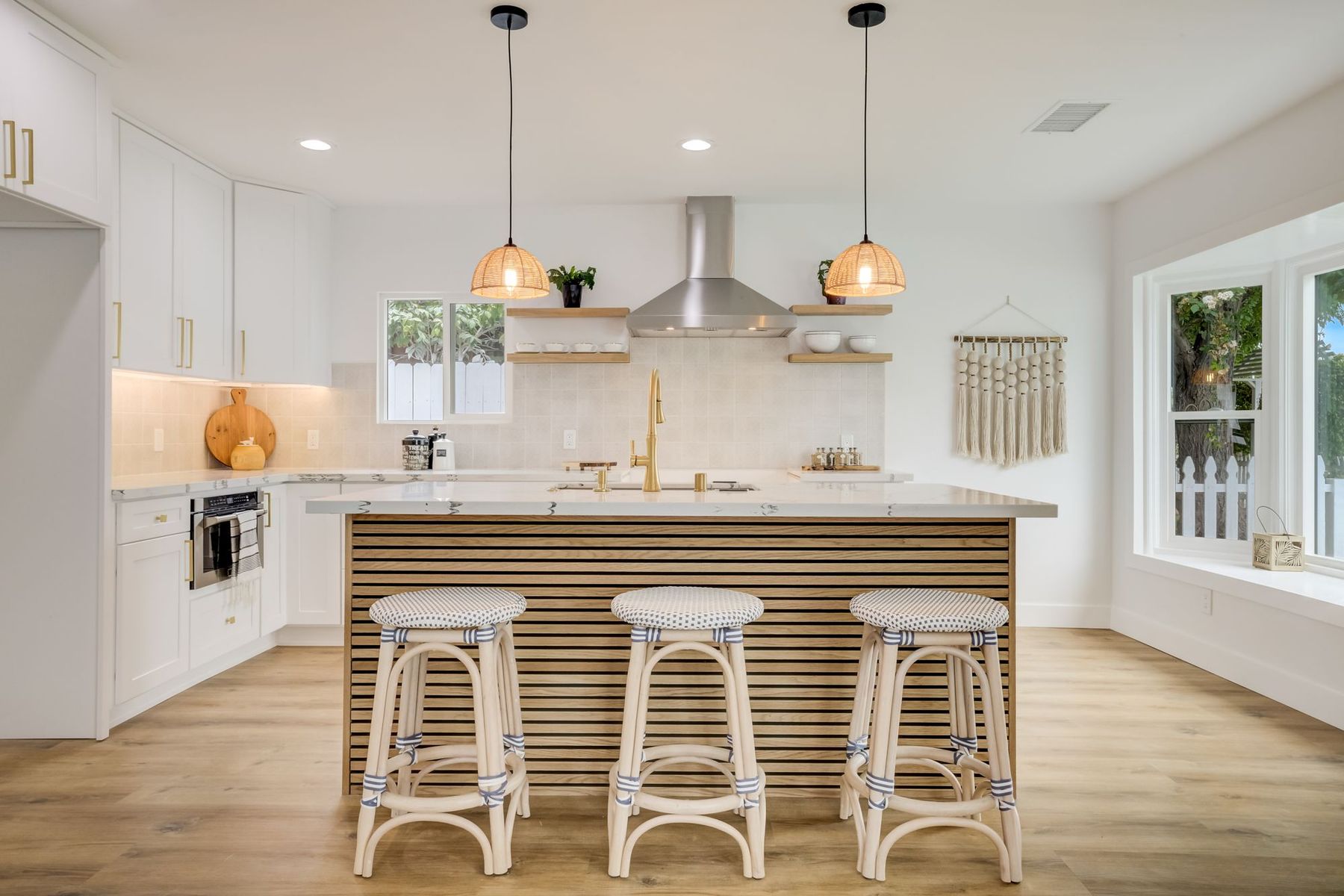
- Kitchen styling to show off the new counters.
- Primary suite.
- Outdoor living if it's been improved.
Match the finishes
Warm wood, soft whites and one bold material in the finishes call for a modern-organic staging style. Crisp black-and-white renovations call for cleaner lines and higher contrast.
Working with investors
Many of our clients are investors and developers who stage every project. As one developer told us, staging clearly "reduces your days on market" and helps a project stand out. Fast, reliable installs are what matter most to them.
Have a project finishing soon? Get a quote, and we can schedule around your construction timeline.
Questions
Should I stage a newly renovated home?
Yes. Empty new finishes photograph flat and buyers struggle to judge scale. Staging shows the value of the renovation.
When should investors book staging?
During construction, once finishes are chosen, with install scheduled right after the final clean.